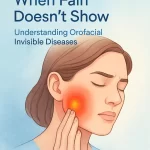
When we think about illness, we often picture visible symptoms — swelling, rashes, or bruises. But in the world of orofacial pain, many conditions are “invisible,” leaving patients looking healthy on the outside while suffering silently within. These disorders are often misunderstood, misdiagnosed, or dismissed entirely, leading to delayed treatment and prolonged suffering.
What Are Orofacial Invisible Diseases?
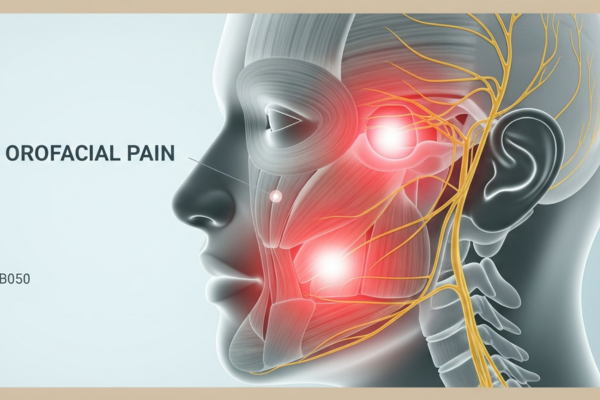
Orofacial invisible diseases are conditions affecting the mouth, jaw, and face that have no obvious physical signs yet cause chronic pain and discomfort. Examples include:
-
Temporomandibular Joint Disorders (TMD) — Pain in the jaw joint and surrounding muscles without visible injury.
-
Neuropathic Facial Pain — Nerve-related pain, such as trigeminal neuralgia or persistent idiopathic facial pain.
-
Myofascial Pain Syndrome — Chronic muscle pain with no external inflammation.
-
Sleep-Related Orofacial Disorders — Conditions like bruxism that damage teeth and jaw structures while you sleep.
The Challenge of Diagnosis
Invisible diseases often lack clear test results. X-rays, scans, and routine dental exams may appear normal. This leads many patients down a frustrating path of multiple consultations, unnecessary treatments, and skepticism from healthcare providers.
Early referral to a specialist trained in orofacial pain can drastically shorten this journey. These experts combine advanced diagnostic tools with a deep understanding of head, neck, and nervous system interactions.
Why Early Detection Matters
Ignoring early symptoms can result in:
-
Worsening pain
-
Reduced jaw mobility
-
Sleep disruption
-
Emotional and mental health strain
The sooner a diagnosis is made, the sooner targeted, non-invasive treatments can begin, helping patients reclaim their quality of life.
Supporting Patients Beyond the Clinic
Raising awareness about invisible orofacial diseases is as important as treatment itself. Public campaigns, patient support groups, and educational programs help reduce stigma and empower individuals to seek help without feeling dismissed.